

Keep your color vibrant longer with heat-safe styling tips, smarter tool choices, and easy daily habits that prevent fading and dryness.
Color-treated hair is a commitment, and one you want to protect. You’ve spent time (and likely a good bit of cash) getting that perfect shade. The last thing you want is to watch it fade faster than your stylist can say “touch-up.”
If you're someone who leans on your dryer or curling iron to feel polished, you're in good company. But using hot tools on dyed hair doesn’t have to mean sacrificing your color. With a few thoughtful tweaks, you can still style daily without dulling your shine.
Let’s walk through why heat impacts color and how to make it work with, not against, your hair.
Why heat can dull your color
Color-treated hair is more porous than virgin hair. That means it absorbs and loses moisture more easily. And when the cuticle (the outer layer of the hair) opens up too much, pigment can slip out, especially when exposed to heat.
Over time, high temps can cause fading, dryness, and a dull or uneven finish. But that doesn’t mean you have to skip hot tools altogether. You just need to get a little smarter about how and what you use.
Tip #1: Turn down the heat
You don’t need to max out your tools to get results. In fact, anything over 375°F is usually overkill for dyed or processed hair.
Lower temps = less cuticle disruption = longer-lasting color.
Try: 10X™ UltraLight Speed Dryer
With Moisturizing Heat™ tech, this dryer helps seal the cuticle while speeding up dry time—so you get less exposure to heat overall.
Why it’s a fit:
-
Adjustable temperature and airflow settings
-
Lightweight, so it’s easier to control
-
Helps maintain the look of smooth, shiny, frizz-free hair

Tip #2: Don’t fight your natural texture
The more effort it takes to force your hair into a different shape, the more heat you’re likely to use. Instead, try styles that enhance what your hair already wants to do.
Wavy? Add definition with a curling iron instead of flat ironing first. Straight? Try a bend at the ends or a sleek blowout with body.
Pro tip: Let your hair air dry about 75% before going in with your dryer. You’ll save time, and reduce overall heat exposure.
Tip #3: Choose tools that perform at lower temps
A lot of heat tools get hot, but don’t stay consistent. Cheap or poorly made tools often require more passes and lead to hot spots, which can scorch your strands and dull your shine.
That’s why the quality of your tool matters, especially when you’re trying to protect your color.
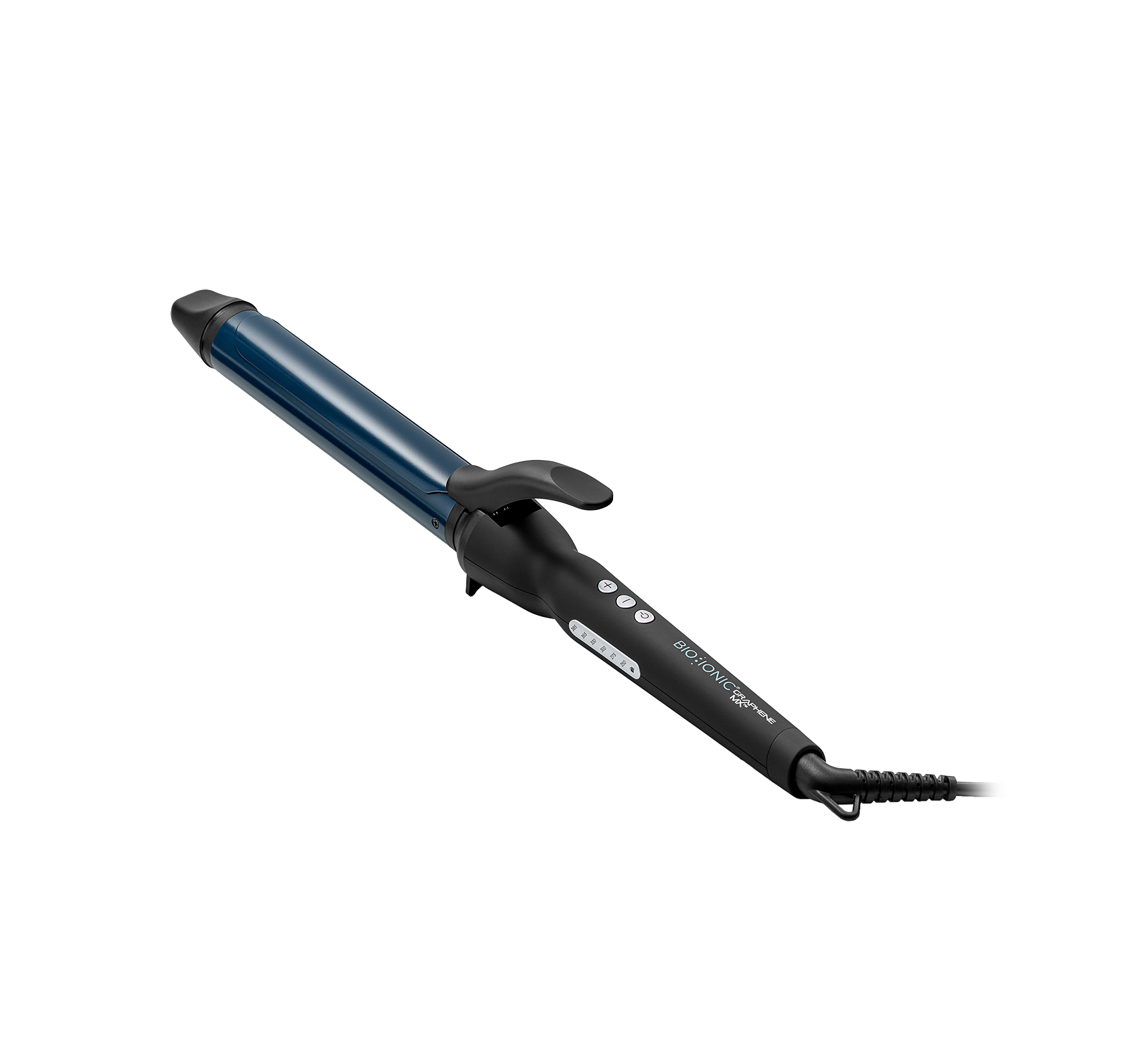
Try: GrapheneMX™ Curling Iron
Designed for high performance at lower temps, this iron uses graphene (a heat-conductive material) to deliver even heat across the entire barrel.
Why it’s a match:
-
Works beautifully at medium temps
-
Reduces the number of passes needed
-
Moisturizing Heat™ supports healthy-looking shine
Tip #4: Always, always use heat protectant
If you're skipping this step—don’t. A good heat protectant acts like a buffer between your strands and the heat. Some even offer UV protection (because yep, the sun fades color too).
Apply it before blow drying, and again before using curling irons, straighteners, or hot brushes.
Tip #5: Finish with the right products
Styling is just one piece of the puzzle. After-care matters too.
Look for lightweight, color-safe products that add shine and moisture without weighing you down. Glossing sprays, leave-ins, and hydrating oils can help make your color pop—especially on the mid-lengths and ends.
Avoid anything with high alcohol content, which can dry out your strands and dull the finish.
Bonus: In-between care matters
Preserving color doesn’t start and stop with styling. Your tools and techniques matter, but what you do between wash days has just as much impact. Think of it like maintenance—small, consistent habits that help you get more mileage out of your color (and your salon budget).
Start with the basics:
Use a sulfate-free, color-safe shampoo. Harsh detergents can strip pigment fast, especially from red, copper, or pastel tones. A gentle cleanser helps you clean without dulling your vibrancy.
Mind your water temp.
Scalding hot showers feel great, but they’re not doing your color any favors. High temperatures can open the hair cuticle, making it easier for dye to escape. Lukewarm water is a safer bet, it gets the job done without causing extra fade.
How you dry your hair matters, too.
Swap rough terry towels for a microfiber towel or an old cotton T-shirt. Pat your hair dry instead of rubbing. Rubbing lifts the cuticle, and when your hair is already color-treated, that’s an open invitation to breakage and frizz.
Hydration is everything.
Weekly deep conditioning masks help your strands hold onto moisture, which is key for softness, shine, and color retention. Look for ones that support elasticity and smoothness, and make it a Sunday ritual.
Watch out for environmental stress.
Sun, chlorine, and pollution can all dull your shade. Wear a hat when you’re out for extended periods, and rinse your hair with clean water before swimming. Bonus points if you use a leave-in with UV protection.
Don’t over-wash.
Every shampoo is a chance for color to rinse away. Try stretching washes with dry shampoo, gentle co-washing, or even a good old-fashioned hair refresh with a little water and your blow dryer.
Be intentional.
Treat your color like you would a silk shirt or a cashmere sweater, it’s not delicate, but it deserves some thought. These extra steps may feel small, but they make a real difference when you add them up over a few weeks.
Quick recap
You don’t need a total routine overhaul to protect your color, just a few smarter styling habits. These takeaways can help you extend your shade, reduce fading, and feel good about using heat tools in your daily routine.
-
Go for tools with adjustable, consistent heat
-
Keep your temperature under 375°F when possible
-
Use fewer passes by investing in better tools
-
Heat protectant is your best friend
-
Finish with styling products that lock in moisture and shine
Hot tools don’t have to be off-limits for color-treated hair. They just need to work with your color and not against it.